Kaimati are small, golden bites of joy crisp on the outside, soft and airy within, then soaked in a glossy syrup that makes each piece irresistibly sticky and sweet.
Rooted in Swahili coastal cuisine, kaimati carry the influence of centuries of Indian Ocean trade, where spices like cardamom and rosewater found their way into everyday cooking. They are especially beloved during Ramadan evenings, when families gather to break the fast but they also appear at celebrations, street stalls and weekend tea tables.
They are simple to make yet deeply satisfying proof that a few basic ingredients can create something memorable.
Ingredients
For the dough:
- 2 cups all-purpose flour
- 1 tsp instant yeast
- 1 tbsp sugar
- 1 cup warm water (adjust as needed)
- 1 tsp cardamom powder (optional, for aroma)
- Pinch of salt
For the syrup:
- 1 cup sugar
- ½ cup water
- 1 tsp lemon juice (prevents crystallization)
- ½ tsp cardamom powder or a few drops of rosewater (optional, for flavor)
For frying:
- Oil (enough for deep frying)
Method
In a bowl, combine the flour, yeast, sugar, cardamom and salt. Gradually add warm water, mix until you form a thick, sticky batter looser than chapati dough but not runny. Cover and allow it to rest for 1–2 hours, until the surface is bubbly, and the mixture has risen and lightened. This fermentation is what gives kaimati their airy interior.
In a saucepan, combine sugar and water. Bring to a gentle simmer until slightly thickened. Stir in lemon juice and your chosen flavoring, cardamom or rosewater. Keep the syrup warm (not boiling), so it coats the dumplings easily.
Heat oil in a deep pan over medium heat. Using wet hands or a spoon, drop small portions of dough into the hot oil. Fry, turning occasionally, until the dumplings are evenly golden brown and crisp on the outside.
Remove the dumplings from the oil and immediately transfer them into the warm syrup. Toss gently until each piece is fully coated and glossy.
Serving Suggestions
- Best enjoyed warm with a cup of chai or black coffee.
- Traditionally served during Ramadan iftar, often alongside samosas, bhajias and fresh juices.
- For a finishing touch, sprinkle with sesame seeds or a light dusting of grated coconut.
Flavor Notes
- Cardamom or rosewater gives kaimati their signature Swahili fragrance—subtle, floral, and comforting.
- The magic lies in the contrast of textures: a crisp outer shell that yields to a soft, syrup soaked center.
- Let them sit for a few minutes before serving—the syrup will soak in, making them even more luscious.
A Small Cultural Note
Kaimati are more than a sweet treat, they’re a shared experience. They appear at gatherings, in paper bags from coastal street vendors and on family tables during moments of togetherness.
Like many Swahili dishes, they reflect a history of movement, exchange, and hospitality a reminder that food can carry stories as richly as it carries flavor.
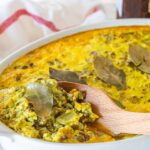 Bobotie – South Africa's sweet-savory baked mince casserole
Et Cape Malay mesterværk: varmt krydret oksekød eller lam, drysset med tørret frugt og chutney, bagt under en silkeagtig gylden æggecreme. Komfortmad med karakter.
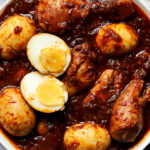 Doro wat – Ethiopia's fiery chicken stew
Lav autentisk Doro Wat opskrift med brændende berbere krydderi & niter kibbeh! Trin-for-trin instruktioner + tips til Ethiopiens ikoniske kyllingestuvning
 Thieboudienne – Senegal's beloved jollof rice with fish
Kraftfuld, krydret og rig på tradition, denne nationale ret lagrer en kraftig tomatsmag med mørt fisk, livlige grøntsager og duftende ris i en strålende gryde.