In 1950s Britain, the words Mau Mau meant savage terror in a peaceful colony. The real story was hidden for half a century. Before Kenya became independent in 1963, colonial officials burned records and shipped others secretly to England. Only in 2011 did the files come to light, and with them proof of what London had known.
A colony built on land and race
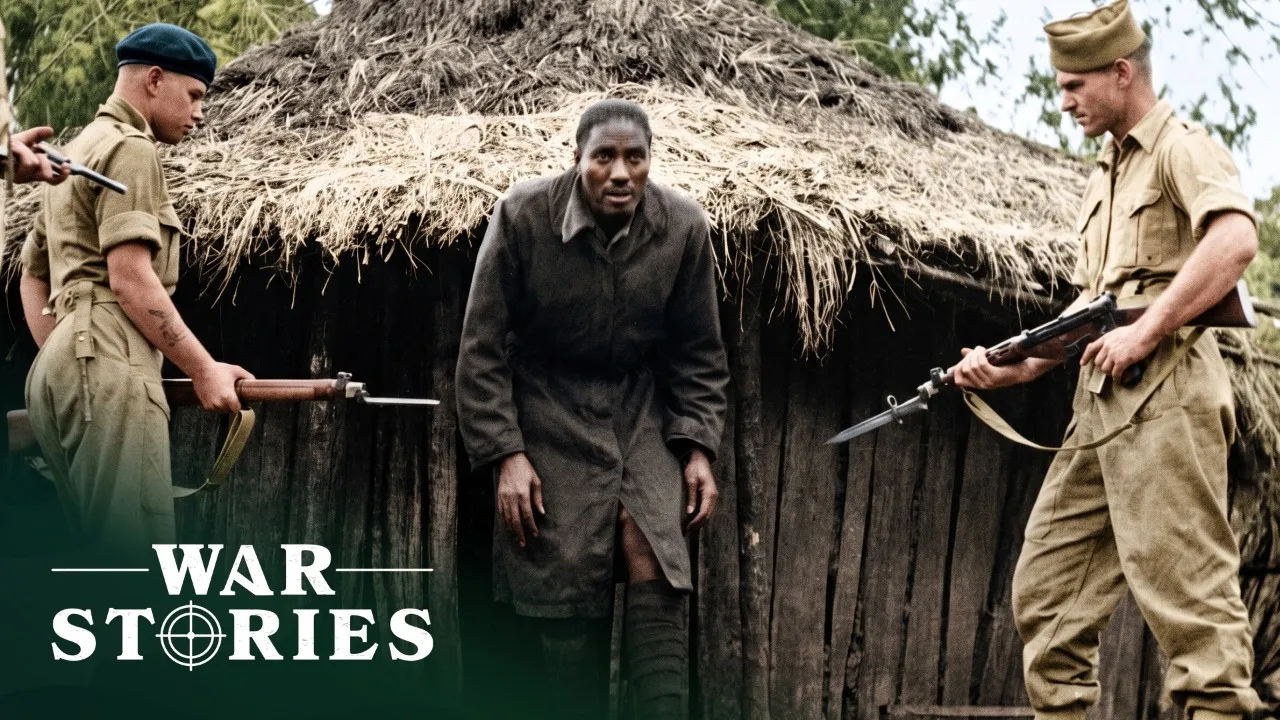
British rule in Kenya began at the end of the 19th century. Settlers took the fertile highlands for coffee and tea, and the Kikuyu who had farmed them became squatters or labourers. Kenya never passed formal apartheid laws, yet the colony ran on a strict racial order. Europeans stood at the top, Asians in the middle and Africans at the bottom.
After the Second World War, the Kenya African Union pushed for reform, led from 1947 by Jomo Kenyatta. Peaceful pressure achieved little. Meanwhile, a more radical movement grew, bound together by secret oaths. Its members wanted their land back and the British gone, and some later called it the Land and Freedom Army.
Emergency and a war without a front line
By 1952 the movement was killing Africans it saw as informers or loyal to the government. Governor Philip Mitchell had played down the warnings for years. His successor, Evelyn Baring, arrived just as Senior Chief Waruhiu was shot dead in October 1952. Less than two weeks later, Baring declared a state of emergency, and Kenyatta was arrested with nearly 200 others. His role in Mau Mau was never proved.
The arrests backfired. In the following months, thousands of young men went into the forests of Mount Kenya and the Aberdares. Mau Mau rarely met British troops head on. Instead, they attacked Home Guard posts, loyalist villages and isolated settler farms. In March 1953, fighters attacked loyalists at Lari, and the reprisals that followed killed many more. You can read more about it in our story on Luka wa Kahangara and the Lari massacre. British propaganda used the photographs from Lari for years.
Operation Anvil and the camps
In April 1954, General George Erskine sealed off Nairobi in Operation Anvil. Tens of thousands of Kikuyu were screened, and many were sent to detention camps. Others were moved into guarded villages in the countryside. The supply lines to the forest fighters were cut, and by 1956 the armed struggle was largely broken. That same year their best known leader was captured, as told in our piece on Dedan Kimathi.
Inside the camps, however, the war went on. Detainees who refused to renounce their oath faced forced labour, beatings and torture. Survivors later described rape and killings. Historians call it the darkest chapter of late British imperial rule.
Hola, the camp that could not be hidden
On 3 March 1959, guards at the Hola camp beat detainees who refused to work. Eleven men died. Officials first claimed the prisoners had died after drinking contaminated water. The truth came out quickly, and in London the scandal could not be contained.
Prime Minister Harold Macmillan responded by speeding up decolonisation. In late 1959 the new colonial secretary, Iain Macleod, told Nairobi that it was time to prepare for African rule. The emergency ended in January 1960, and Kenyatta was released in 1961. On 12 December 1963, he led Kenya to independence.
Burned files and the hidden archive
Before the handover, officials went through the colonial records. Files that might embarrass the British government were burned or sent to England. For decades, historians who studied the camps were told that the papers no longer existed.
That changed because of a court case. In 2009, elderly Kenyans who said they had been tortured in the camps sued the British government in London. During the case, the Foreign Office admitted in 2011 that it held a large collection of colonial files at Hanslope Park. Historians who read them found clear evidence that senior officials in London had known about the abuse.
Regret, compensation and memory
In June 2013, the British government settled the case. Foreign Secretary William Hague expressed sincere regret, and Britain paid about 20 million pounds to more than 5,000 survivors. It also funded a memorial to the victims of torture, which stands today in Uhuru Park in Nairobi. Many Kenyans still say that regret falls short of a full apology.
The cost of the war remains disputed. Official figures counted around 11,000 Mau Mau fighters killed, and historians believe the true number was higher. Mau Mau in turn killed some 1,800 African civilians and 32 European settlers. For more background, see our longer history of the Mau Mau uprising. In Kenya the movement was banned until 2003. Today its veterans are honoured as freedom fighters, and Britain is still coming to terms with the war it tried to forget.
This article draws on the documentary by the YouTube channel War Stories.
Photo: Memorial to the victims of torture and ill treatment during the colonial era, Uhuru Park, Nairobi. Francis Akuka for the Wikimedia Foundation, CC0.
Relaterede indlæg
 Luka wa Kahangara: chefen i centrum af Lari-massakren
I de tågede højder i Central Kenya var de tidlige 1950'ere år med hungersnød efter land, politisk spænding og dyb forræderi. I centrum af en af Kenyas mest berygtede nætter stod Luka wa Kahangara,…
 Mau Mau-oprøret – Et blodigt kapitel i Kenyas historie
Mau Mau-oprøret begyndte i 1952 som en reaktion på ulighed og uretfærdigheder i britisk-kontrolleret Kenya. Reaktionen fra den koloniale administration var en brutal nedslagtning af oprørerne,…
 Hvad var Mau Mau-oprøret?
Det østafrikanske land Kenya blev bosat af europæere i begyndelsen af det tyvende århundrede. Nybyggerne koncentrerede sig i de frugtbare centrale højder, primært med dyrkning af kaffe og te. De fortrængte…