If you grew up in Kenya or returned years later from the diaspora, you may remember the distant thump of music at night, the glow of lanterns and voices carrying through the dark. It didn’t sound like mourning.
But it was.
Among the Giriama people of coastal Kenya, disco matanga transforms grief into something communal, expressive, and alive. To outsiders, it can feel shocking—a funeral that looks like a party. But to those who understand it, it is healing, continuity, and a powerful reminder that life and death are deeply intertwined.
What Is Disco Matanga?
Disco matanga is a funeral gathering where music, dance, food and community come together during the mourning period. Traditionally, it was meant to honor the dead, support the grieving family and strengthen social bonds.
Today, it has evolved into a blend of ritual and modern nightlife:
- DJs and sound systems
- Dancing that lasts until morning
- Community fundraising
- Large gatherings over several nights
At its core, it reflects a Giriama belief: death is not an end, but a passage, and no one should grieve alone.
Origins: Where Did Disco Matanga Come From?
For many Kenyans outside the coast, disco matanga feels unfamiliar. While most communities mourn quietly, the Giriama tradition is more expressive and communal.
Originally, these gatherings were night vigils, meant to keep the bereaved company, guard the body and remain spiritually alert. To stay awake, people sang, drummed and shared stories. Over time, music and movement became central, turning grief into something shared rather than silent.
Coastal Influence, Women & Cultural Expression
Coastal Kenya has long been a cultural crossroads, blending African, Swahili and Arab influences and this fusion is central to how disco matanga looks and feels today.
Women play a visible and expressive role:
- Deras (flowing dresses), rooted in Swahili coastal culture, allow freedom of movement and are both practical and symbolic
- Dance, especially waist and hip movement has long been part of coastal traditions where the body expresses emotion, rhythm and identity
- In communal settings like matanga, this expression becomes amplified, not staged, reflecting authenticity rather than performance
What may feel surprising to outsiders is not new, it is the continuation of a cultural environment where music, the body and emotion are deeply connected.
Food at Disco Matanga: Nourishment & Nostalgia
No Kenyan gathering is complete without food and disco matanga is no exception. Meals are generous, communal and deeply symbolic:
Staples (coastal/Giriama context):
- Pilau (spiced rice, often with beef or chicken)
- Chapati (flatbread)
- Mahamri (sweet triangular buns, often served with chai)
- Coconut‑based stews (fish, beans or vegetables cooked in coconut milk)
Treats:
- Kaimati (sweet dumplings coated in sugar or syrup)
- Viazi karai (battered fried potatoes)
- Mandazi (soft fried dough, less sweet than mahamri)
Sustenance foods (to keep people awake through the night):
- Millet or sorghum porridge (uji wa wimbi) — hearty, sustaining, and traditional
- Chai ya tangawizi (tea with ginger)
- Mnazi (palm wine)
For many in the diaspora, these dishes carry memories of home, their childhood and belonging.
Today, some families are adding modern touches:
- Coconut milk in pilau
- Millet-based alternatives for better nutrition
These shifts reflect a growing blend of tradition and wellness
The Music: Healing Through Rhythm
At the heart of disco matanga is music. What began with drumming and traditional songs has evolved into:
- Taarab, reggae and Afrobeat
- DJs and MCs
- Dance circles that last until morning
Music transforms grief into movement. It creates a shared emotional space where people can mourn, remember, and release.
A Social Space: Connection, Freedom & Complexity
As disco matanga evolved, it also became a powerful social gathering space.
People come to mourn but also to:
- Reconnect
- Feel part of a community
- Release emotion through movement
For younger attendees especially, it can be a space of freedom, attraction and connection.
In such emotionally charged environments, bonds can form quickly, sometimes reshaping personal relationships and life paths. This isn’t the intention of the tradition but a reflection of the intensity of shared experiences. Like many communal spaces, disco matanga holds both connection and complexity
A Living Culture: History & Resilience
Disco matanga is part of a deeper story of cultural endurance. The Giriama, one of the Mijikenda communities, have long preserved their traditions despite outside pressures. Even during colonial times, when night gatherings were discouraged, these communal practices continued.
Today, disco matanga remains: A living, evolving expression of identity
Experiencing Disco Matanga Respectfully
For those curious about authentic Kenyan culture, especially travelers or diaspora reconnecting, approach matters.
What to know:
- It often lasts several nights
- Klæd dig beskedent på
- Bring a small contribution (money or food)
- Avoid intrusive photos or videos
- Observe before participating
These are not performances; they are real moments of grief and community.
Wellness, Grief & Modern Relevance
In a world increasingly focused on individual healing, disco matanga offers a different perspective.
It provides:
- Emotional release through shared mourning
- Physical expression through dance
- Cultural grounding through food and ritual
It reminds us that healing doesn’t always happen in silence.
Hvorfor det er vigtigt i dag
For the diaspora, disco matanga reconnects memory and identity.
For global audiences, it challenges narrow ideas of grief.
For Kenya, it preserves a culture that continues to evolve without losing its core.
It asks a powerful question: Can joy exist alongside loss?
Among the Giriama, the answer is yes.
Afsluttende tanker
Disco matanga is often misunderstood but it is not just a “funeral party.”
Det er det:
- A farewell
- A support system
- A cultural expression
- A way of holding grief and life together
And in that balance, it tells a deeper truth: No one is meant to grieve alone.
Relaterede indlæg
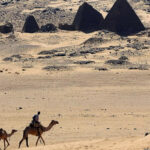 Historien om Afrikas bedst bevarede hemmeligheder
Afrika har en rig og kompleks historie, men der er udbredt uvidenhed om denne arv....
 At bo i Kenya: Guiden til dem, der vil flytte til Kenya som expat
Fra storbyhovedstaden Nairobi til de smukke hvide sandstrande langs Mombasas kyst...
 Kvinden bag klinikkerne: Marie Stopes og hendes varige aftryk på Kenya
Navnet Marie Stopes har længe været synonymt med familieplanlægning og reproduktiv sundhed. På tværs af...
 English (UK)
  Svenska
  Dansk
Dansk  Kiswahili
  Norsk bokmål